
Indonesia: Expanding Access Through Innovation and Finance
Overview of the Challenge
In Indonesia, where 57% of households reported climate-related disruptions, access to safely managed drinking water services remains critically low (30.5%). Private providers dominate the sector, yet affordability and regulatory barriers persist. Households spend 5.6% of income on WSS, well above affordability thresholds, while women face health risks from inadequate sanitation.
The Ask
Water.org sought to understand where and how its WaterCredit program could best fill financing and service delivery gaps. They needed regional/district-level evidence to guide household microfinance products, identify viable enterprise financing models, and recommend systemic reforms to enable scale.
What We Did
Athena Infonomics conducted the study to map vulnerabilities across West Java, South Sulawesi, and North Sumatra. Surveys revealed over-reliance on private desludging providers (82%), low financial product awareness (4%), and weak support for rural operators. District-level mapping showed localized risks from flooding and groundwater contamination. We also estimated financing demand of USD 314M for WSS MFI loans and 3.2M HHs for the WaterCredit Program.


What to Expect
Context-specific solutions included WaterCredit loans for household sanitation, decentralized treatment points, and awareness campaigns. We developed targeted and tailored country strategies combining Climate-Resilient WaterCredit, blended financing, terrain-friendly sanitation, decentralized water treatment, & financial literacy programs.
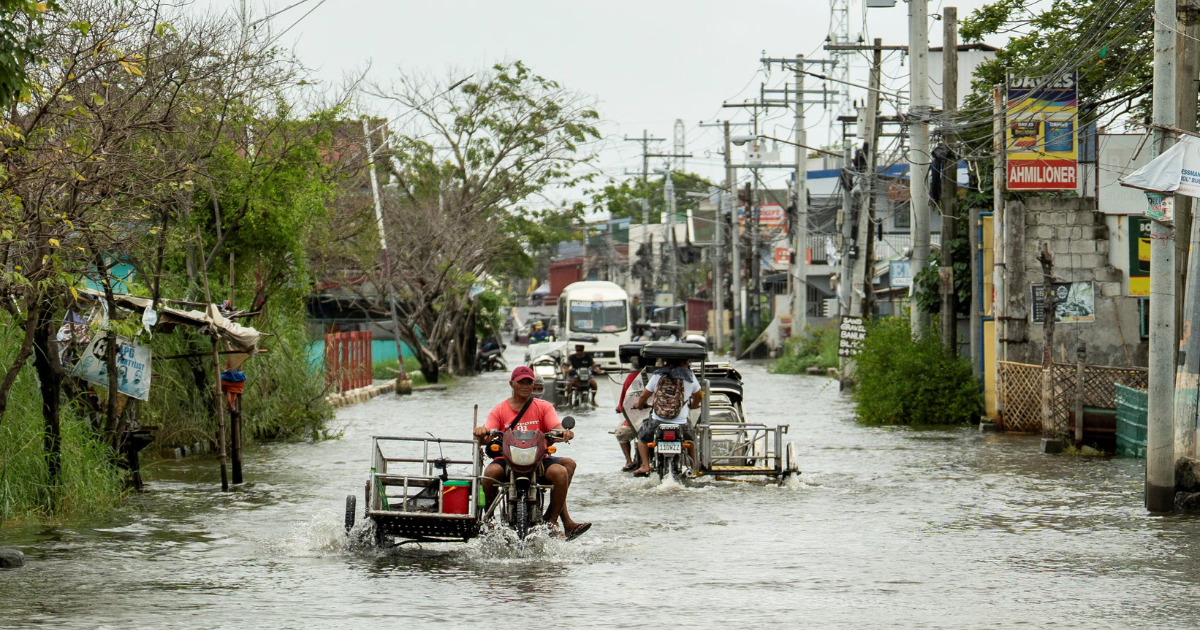
Photo credit: The Independent
For more details on the project, read.
Access the full learning brief!