
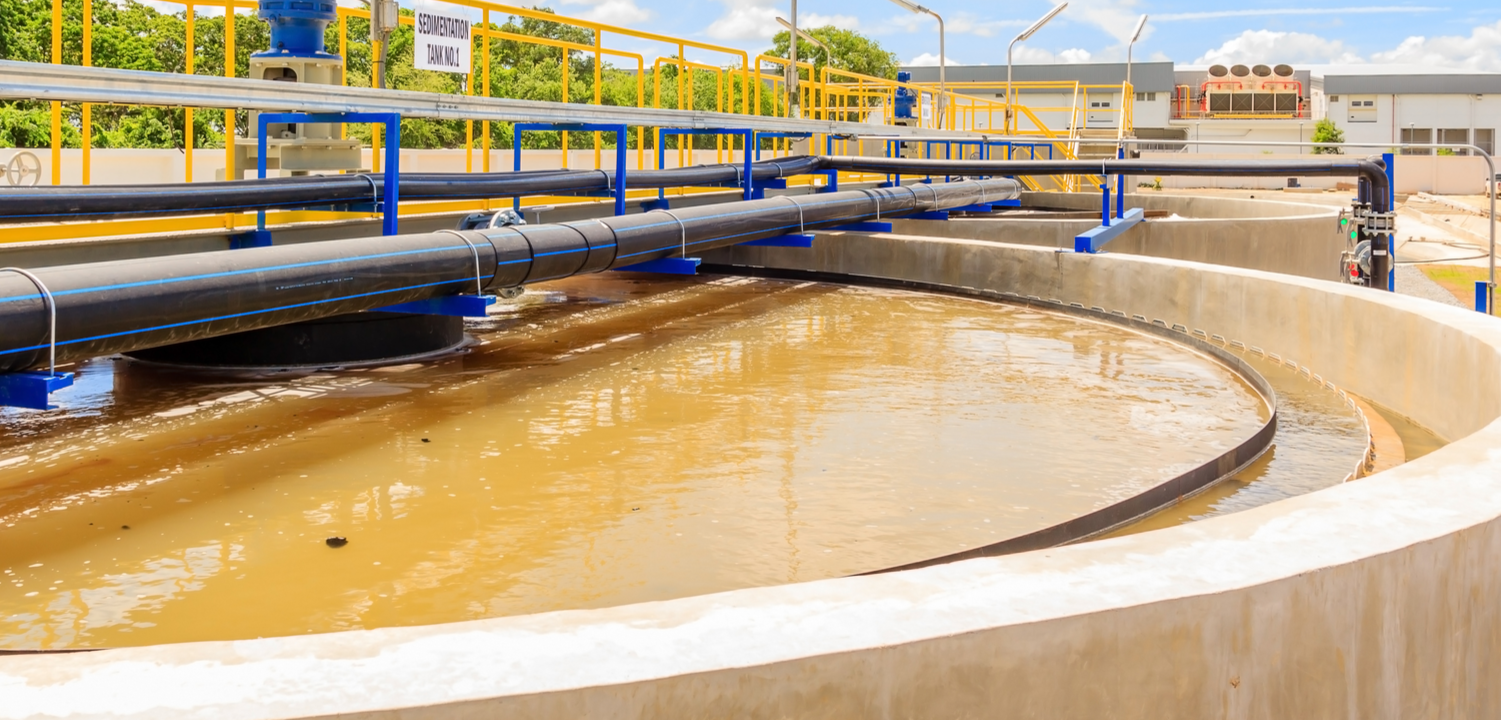
Under a Bill & Melinda Gates Foundation (BMGF) grant, Athena is designing a Monitoring, Learning, and Evidence (MLE) platform for urban Faecal Sludge Management (FSM). The project has two components: data ecosystem strengthening, and evidence and learning. The first component aims to create a global indicator protocol and platform for urban FSM. This will involve eight pilot cities that are part of BMGF’s Citywide Inclusive Sanitation (CWIS) program. The second seeks to aggregate and analyze evidence on effective interventions in urban FSM to promote peer learning and information exchange. Spread over three years, the project uses an evidence-based, stakeholder-driven decision-making approach. The grant will also help address challenges in uptake of the FSM toolbox.
WASH2018-2021
Design and Roll-out of the FSM toolbox and a MLE Platform for Urban FSM
WASH
View All 130+ Projects →
Related Work
WASHIndia
Water Supply Services in Mumbai: A Scoping Study to Understand the Access of Services, Technology, Critical Gaps and to Explore the Possibility of Improvement
With Mumbai facing water supply issues, Save the Children commissioned Athena to conduct field studies to identify gaps in children's safe access to water. Covering the…
WASHMyanmar
Understanding Demand and Funding for Piped Water Supply in Mandalay
What is the scope to increase water service financial sustainability in Mandalay without negatively impacting access for the poor?The Mandalay City Development Committee (MCDC) is facing…
WASHIndia
Integrated Rural Urban Water Management for Climate-Based Adaptation in Indian Cities (IAdapt)
How can we improve water management in Indian cities? Awarded a grant under IDRC's Cities and Climate Change initiative, Athena is designing and implementing a comprehensive…